2026/09/28
Data falsification at the Hamaoka Nuclear Plant: Power Companies Should Learn from Chubu Electric Power’s Structural Problems
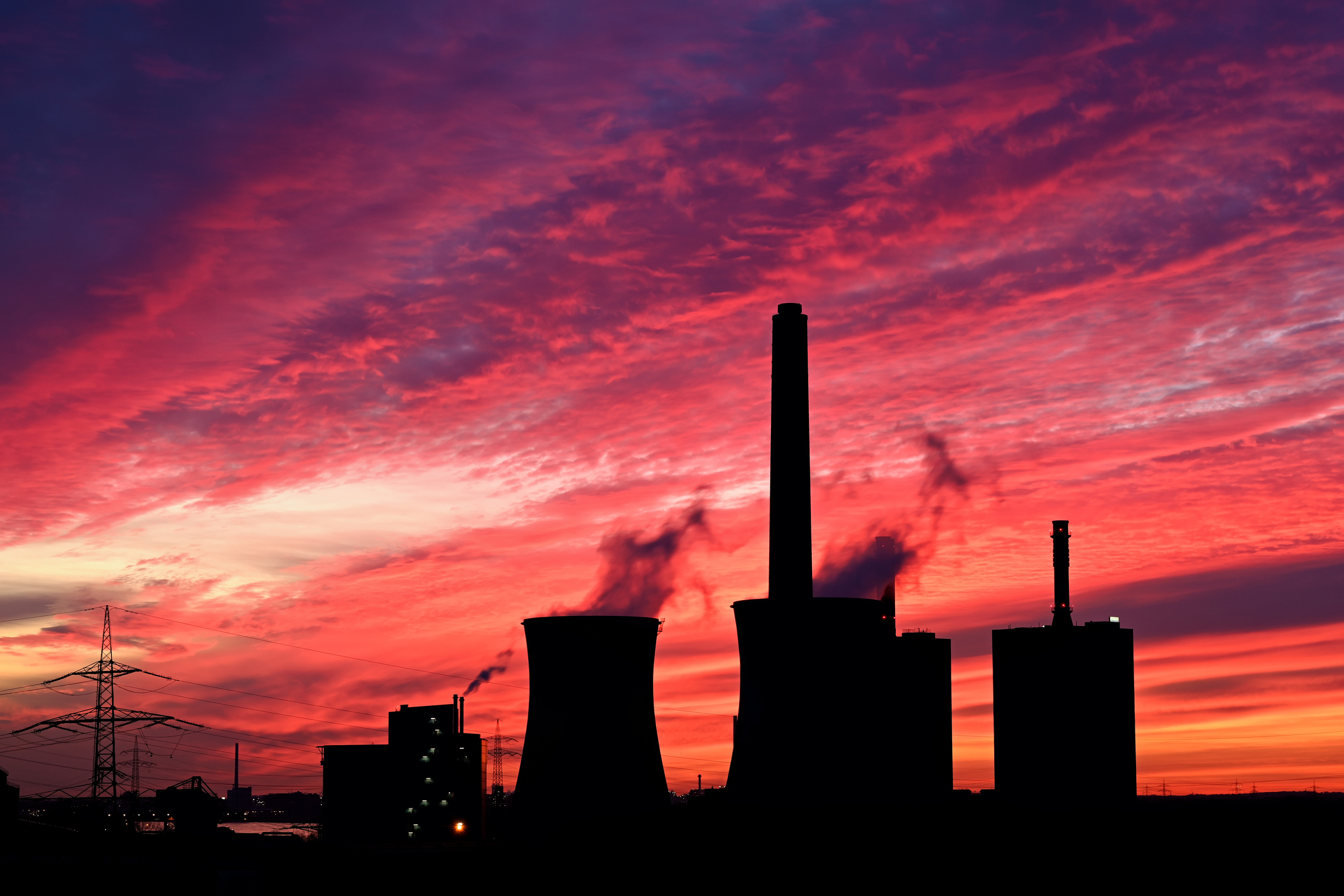
On September 14, taking responsibility for the data falsification at the Hamaoka Nuclear Power Plant, Chubu Electric Power Co. announced the resignations of President Kingo Hayashi and Chairman Satoru Katsuno, as well as the withdrawal of the applications for the safety reviews required to restart Units 3 and 4 of the Hamaoka plant. The misconduct, which involved intentionally underestimating the value of the Hamaoka plant’s design basis seismic ground motion, began around 2012. While two internal reports in 2019 and 2021 came to nothing, the issue finally came to light in February 2025 following an external whistleblower report to the Nuclear Regulation Authority. Even then, the misconduct continued. Meanwhile, irregularities involving the alteration of data in reports and fraudulent billing were also uncovered during the decommissioning of Units 1 and 2.
The investigation report released by a Special Investigation Committee pointed out deficiencies in management and corporate governance, noting that although there was no direct involvement by management in the misconduct, “reprimands” over delays in the restart review process put significant pressure on frontline staff, and that the internal whistleblower system failed to function at all. The report further concluded that “an extremely peculiar mindset lay behind this case.”
The “peculiar mindset” pointed out by the investigation committee refers to the fact that there were quite a few individuals who believed what they were doing was not wrong in light of the government’s nuclear energy policies and the perceived need to restart reactors. This is not a case of committing misconduct out of necessity. Rather, these individuals do so based on their own sense of rationality and justice, firmly believing that “we are doing the right thing.” Furthermore, they form groups or collectives, and such groups may exist in various parts of the company. The report warns that this is a “matter of serious concern.”
This is the crux of the problem, and it is certainly not unique to Chubu Electric Power, as the following cases illustrate: Kansai Electric Power Co. concealed a fuel rod breakage accident that occurred in 1973 at Mihama Nuclear Power Plant Unit 1 for four years. At Hokuriku Electric Power Company’s Shika Nuclear Power Plant Unit 1, a criticality accident that occurred in 1999 was revealed in 2007, eight years later. At Tokyo Electric Power Company (TEPCO), the concealment of cracks and other defects in reactor equipment at the Fukushima Daiichi, Fukushima Daini, and Kashiwazaki-Kariwa nuclear power plants, dating back to the 1980s, came to light in 2002 following a whistleblower report from the U.S. General Electric Company. Even after the Fukushima Daiichi Accident, TEPCO was ordered to suspend operations at the Kashiwazaki-Kariwa Plant over violations of anti-terrorism measures and other issues. Each power company has since introduced measures to prevent misconduct and declared that safety is its top priority. That said, might there still be “peculiar mindset” simmering somewhere behind the walls of advanced expertise and complex, massive technologies? Negligence, arrogance, and a closed culture... their consequences are the Tokaimura Criticality Accident (1999) and the Fukushima Daiichi Accident (2011)
Takashi Mizukoshi, the President
This Week’s Focus, September 13– September 17, 2026