2026/04/06
Climate Change and Food Security: The Burden Falls on the Vulnerable
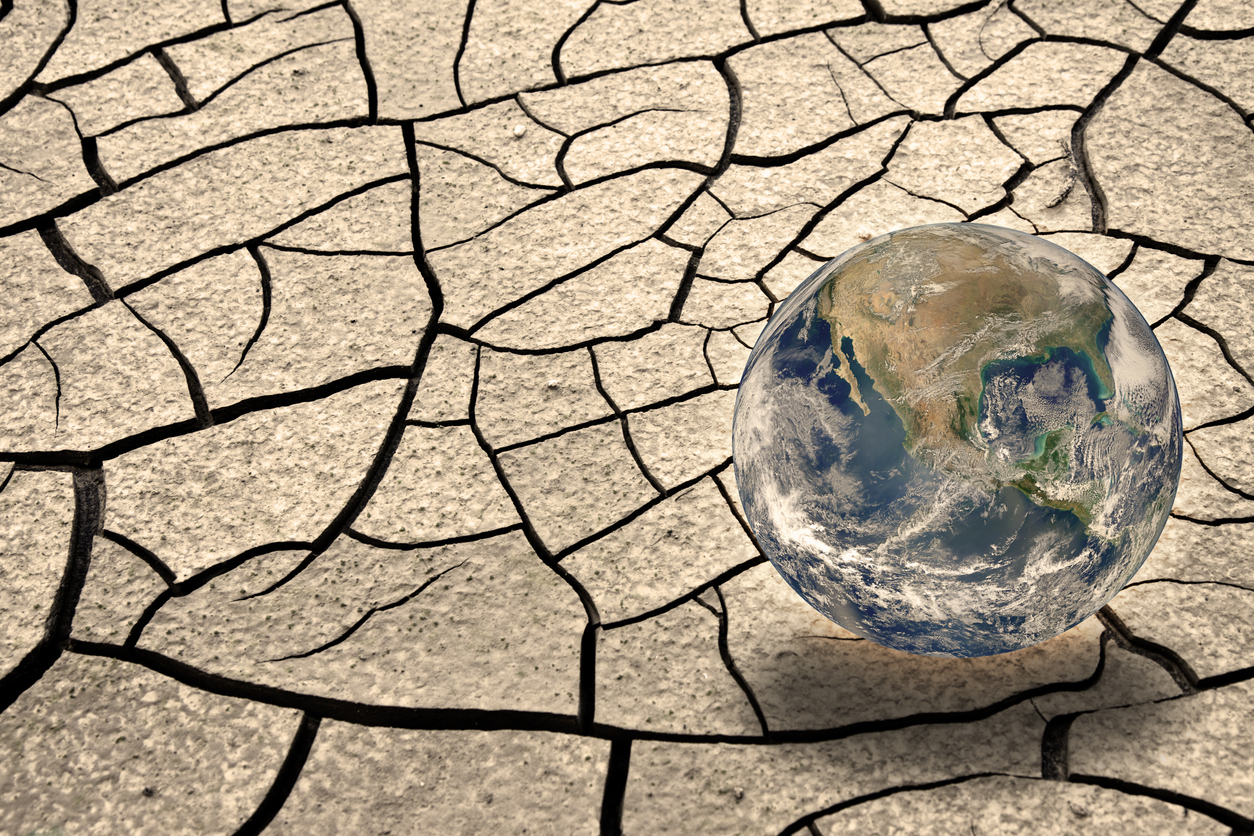
On March 16, a research team led by Japan’s National Institute for Environmental Studies released findings on how climate change mitigation policies influence future hunger risks, while also considering their air pollution reduction effects.
Mitigation measures can help prevent declines in crop yields caused by global warming. However, they also carry risks through reduced yields resulting from competition for land with bioenergy crops and large-scale reforestation projects.
Until now, the negative impacts of such land-use competition were believed to far outweigh the benefits. But when the decline in tropospheric ozone concentrations is taken into account, the analysis shows that about 15% of the projected increase in the number of people at risk of hunger could be offset by this effect under climate change mitigation scenarios.
The mechanisms by which climate change affects global food security are extremely complex and interlinked. Industrial policy, trade structures, food culture, ecosystems, and geography all play major roles. The challenge lies not only in production and access, but also in underlying issues such as “hidden hunger” — malnutrition caused by reduced protein and micronutrient content in staple grains. Moreover, physiological impacts such as appetite loss under heat stress can further worsen nutritional well-being (Source: Japan International Research Center for Agricultural Sciences, Oct. 8, 2025).
Ironically, the regions that suffer early and severe damage from climate change are those with low CO₂ emissions—that is, economically vulnerable developing countries. At a lecture held on March 13 at Sophia University in Tokyo, the Minister for Climate Change Adaptation, Energy, Environment, Meteorology, Geo-Hazards and Disaster Management for Vanuatu remarked, “Although Vanuatu emits only 0.00016% of the world’s greenhouse gases, a single intensified cyclone can wipe out 64% of our GDP.” The impacts extend to staple root crops and fisheries. Similarly, in parts of Africa, where total greenhouse gas emissions account for only about 4% of the global total, droughts, water shortages, disease, and deteriorating security are collapsing food supply systems and leading to chronic famine.
In short, the problems of climate change and food insecurity first manifest among the vulnerable. A survey conducted by the Institute of Science Tokyo in May 2025 showed that 43.8% of respondents experienced food insecurity during the previous year—for example, being unable to afford a nutritionally balanced diet, or having adults in the household skip meals for economic reasons. The study also found that people in this “food-insecure” group were more likely to experience health problems linked to extreme heat—revealing that they are also more vulnerable to climate change (see source below).
According to the OECD, Japan’s relative poverty rate stood at 15.4% in 2021, and recent price increases appear to have worsened this figure. The same trend can be observed in many other countries. Short-term measures to address rising prices are, of course, important, but what is urgently needed are sustained and strategic climate change policies.
(Source: “Food Security in Japan and Public Support for Climate Change Action,” Center for Well-Being Research Advancement, Institute of Future Science, Institute of Science Tokyo, February 2025. Nationwide survey of 10,330 men and women aged 18 to 79.)
Takashi Mizukoshi, the President
This Week’s Focus, March 15–19, 2026