2026/02/09
Restoring Organizational Self-Correction to Rebuild Trust with Society
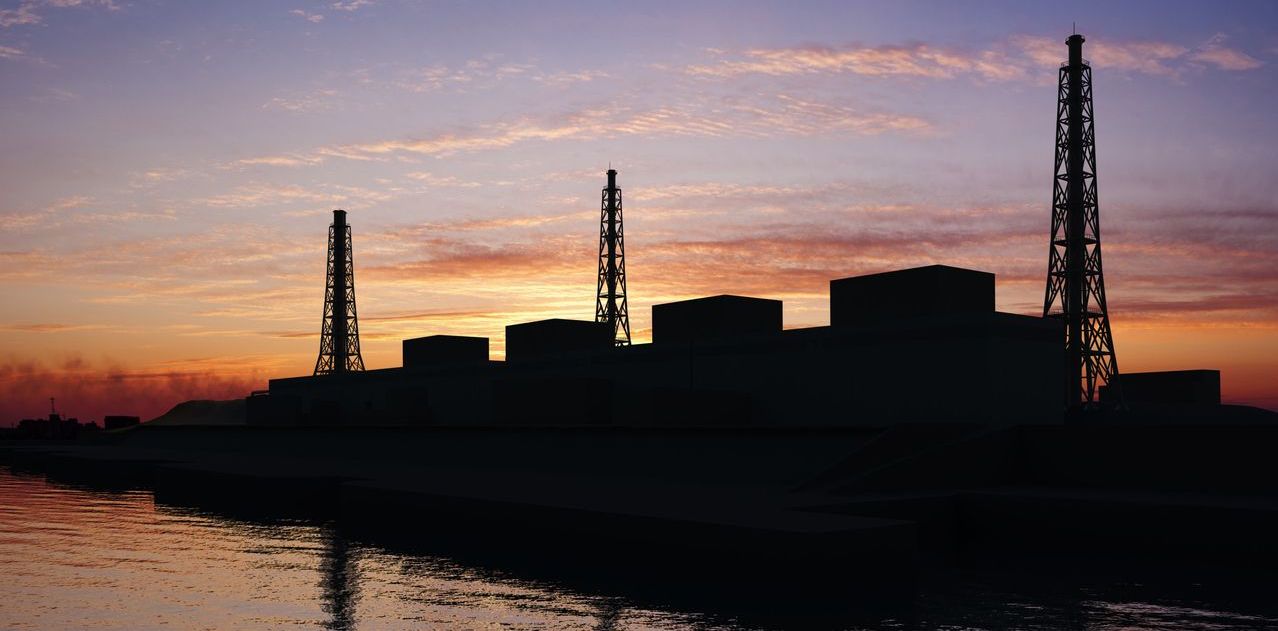
On January 14, Japan’s Nuclear Regulation Authority (NRA) announced that it had determined Chubu Electric Power Co., Inc. had falsified data during the restart review process for the Hamaoka Nuclear Power Station, specifically by underestimating the Design Basis Earthquake Ground Motion, which represents the maximum seismic ground motion assumed for safety design. The NRA suspended the review and conducted an on-site inspection at the company’s headquarters.
Even after the Fukushima Daiichi Nuclear Power Station accident, misconduct related to nuclear power continues to surface: improper use of ID cards (Tokyo Electric Power Company), falsification of geological data (The Japan Atomic Power Company), and falsified inspection records for nuclear material protection sensors (Tohoku Electric Power Co., Inc.), to name just a few. Why does such misconduct persist? Is this a problem unique to nuclear operators?
The data falsification at the Hamaoka plant came to light in February 2025 through information provided from outside the company to the NRA using Japan’s whistleblower reporting system. Similarly, the accounting fraud at Nidec Corporation—designated by the Japan Exchange Group as a “Security on Alert” in October 2025—was triggered by an anonymous internal report concerning improper profit manipulation at an overseas subsidiary. In 2023, Daihatsu Motor Co.’s certification fraud was also brought to light following a report to an external organization.
Daihatsu had an internal reporting system known as “Employee Voices,” operated by its audit department. However, anonymous reports were deemed unreliable, no feedback was provided to whistleblowers, and many cases were reportedly referred back to the very departments where the issues had originated. A third-party investigation report pointed out that such practices undermined trust in the internal whistleblowing system and further fueled doubts about the company’s ability to correct itself. The report concluded that employees engaged in misconduct because they were subjected to intense pressure to meet short-term development deadlines, making frontline workers “victims of management.”
If the phrase “short-term development” were replaced with “meeting budget targets” or “securing reactor restarts,” the same logic would apply directly to the cases of Nidec and Chubu Electric Power.
In 2025, Central Nippon Expressway Company disclosed internal documents—based on employee interviews conducted after the 2012 Sasago Tunnel ceiling collapse—regarding the causes of the accident to the victims’ families. These documents contained frontline observations such as “groundless overconfidence in safety” and “postponement of safety measures due to budget constraints.” For more than a decade, however, the company had responded to disclosure requests from bereaved families by stating that “the requested documents do not exist.” This handling recalls the Ministry of Finance’s response in the Moritomo Gakuen scandal (which involved the alteration of official documents to conceal irregularities in the sale of state-owned land to a private school operator).
In 2026, Japan’s revised Whistleblower Protection Act will come into force, making retaliatory actions—such as disciplinary measures or dismissal against whistleblowers—subject to criminal penalties. Proper operation of the system is, of course, essential. Even so, the first priority must be strengthening governance within each organization itself. This is the starting point for restoring trust—between frontline operations and management, and between individuals and society. Ultimately, what is being questioned is the quality of leadership at the very top.
Takashi Mizukoshi, the President
This Week’s Focus, January 4–15, 2026