2026/02/02
Are Europe and the United States Reversing Their EV Strategies? Japanese Automakers Should Invest with an Eye on What Comes Next
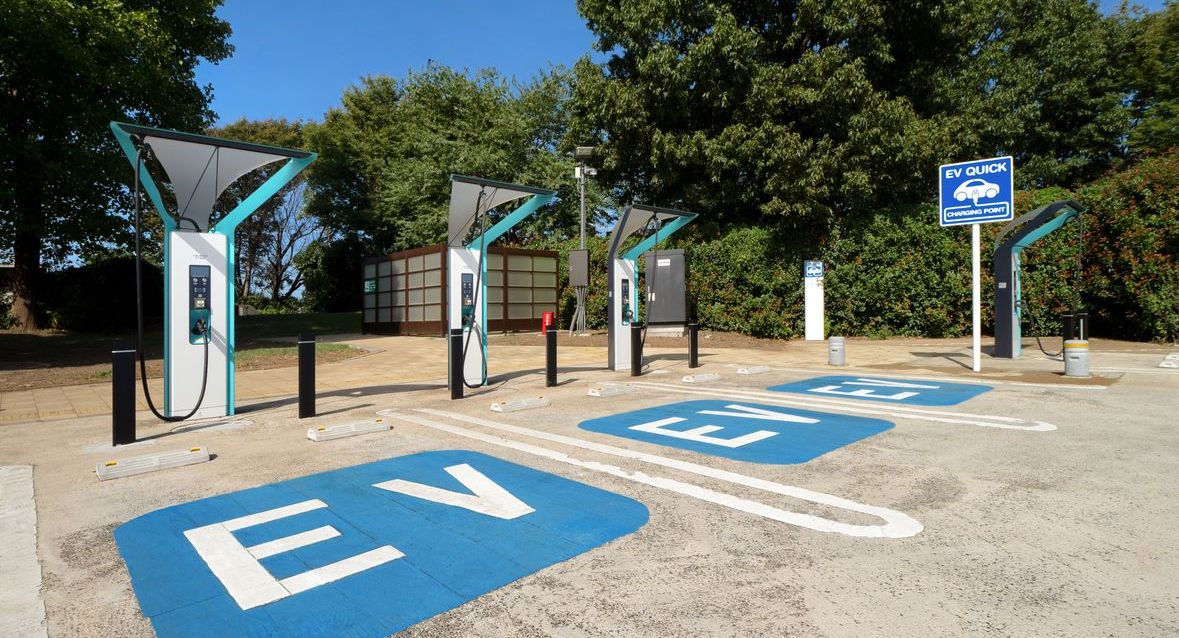
On December 16, the European Commission—the EU’s executive body—announced that it would revise its 2023 decision mandating zero CO₂ emissions from new vehicles by 2035. Under the proposed amendment, which will be submitted to the European Parliament, the sale of vehicles equipped with internal combustion engines would still be permitted after 2035, albeit under certain conditions.
At the same time, U.S. automakers such as Ford and General Motors have announced cutbacks in EV investment and a shift toward increasing production of gasoline-powered vehicles. Does this mean that the global shift toward EVs is losing momentum?
Behind the European Commission’s decision lie several factors: declining exports to the United States due to tariffs imposed under the Trump administration, the influx of low-priced Chinese EVs, and weak demand in the European market, all of which have weighed heavily on the performance of European automakers. Faced with appeals from an industry employing some 13 million people that “rapid structural reform would be difficult,” the Commission appears to have compromised.
That said, the revised targets do not represent a fundamental reversal of policy. The required reduction in CO₂ emissions has been adjusted from 100% to 90% compared with 2021 levels, and even for gasoline-powered vehicles, reduced environmental impact—such as through plug-in hybrid vehicles (PHVs)—remains a prerequisite. The remaining 10% is to be offset through measures such as the use of green steel produced within the EU and e-fuels—synthetic fuels produced by combining CO₂ and hydrogen (H₂). In short, the EU is maintaining its fundamental commitment to decarbonization while taking into account current business realities.
In fact, market trends in Europe have not changed. According to the European Automobile Manufacturers’ Association (ACEA), new passenger car registrations in the EU totaled 887,491 units in November, up 2.1% year on year. While market share was nearly evenly split between gasoline vehicles (23%) and EVs (21%), the growth rates tell a different story: gasoline vehicles declined by 21.9%, whereas EVs grew by 44.1%.
The situation in the United States, however, differs from that in Europe. A key factor is the policy shift under President Trump, who has dismissed climate change as a “hoax” and advocated for a revival of the oil industry. Fuel economy regulations introduced by the Biden administration were significantly relaxed, and tax credits designed to encourage EV purchases were abolished.
Some argue that the current situation in the United States works to the advantage of Japanese automakers, which were slow to ramp up EV investment. In the short term, that may indeed be the case. However, the long-term trend toward decarbonization will not change.
From January to November 2025, in the European market—including the EU, the United Kingdom, and the four EFTA countries (the European Free Trade Association)—all Japanese automakers recorded year-on-year declines. By contrast, BYD achieved growth of 276% over the same period, surpassing Nissan in unit sales in November alone. The Hyundai Motor Group also exceeded the Toyota Group in sales volume. In Asia as well, Chinese and Korean manufacturers continue to strengthen their presence. They are now introducing compact EVs into the Japanese market and stepping up their efforts in earnest.
Where in the world should Japanese automakers compete? With which powertrains, and in which segments? I hope to see Japanese companies articulate and execute a truly global strategy—one that looks beyond the post-Trump era and toward the future.
[Related Articles]
- May Japanese EVs Retain Their Shine in Indonesia—The Heartland of Asia's EV Market
“This Week’s Focus”, June 22–July 3, 2025 - Auto Market Shaken by Trump’s Tariffs: Japanese Car Makers Must Revive Their Competitive Spirit
“This Week’s Focus”, April 20–24, 2025
Takashi Mizukoshi, the President
This Week’s Focus, December 21–25, 2025