2026/08/05
Restoring Nature to a Path of Recovery: Japan Should Lead the Way in Becoming a Nature-Positive Nation
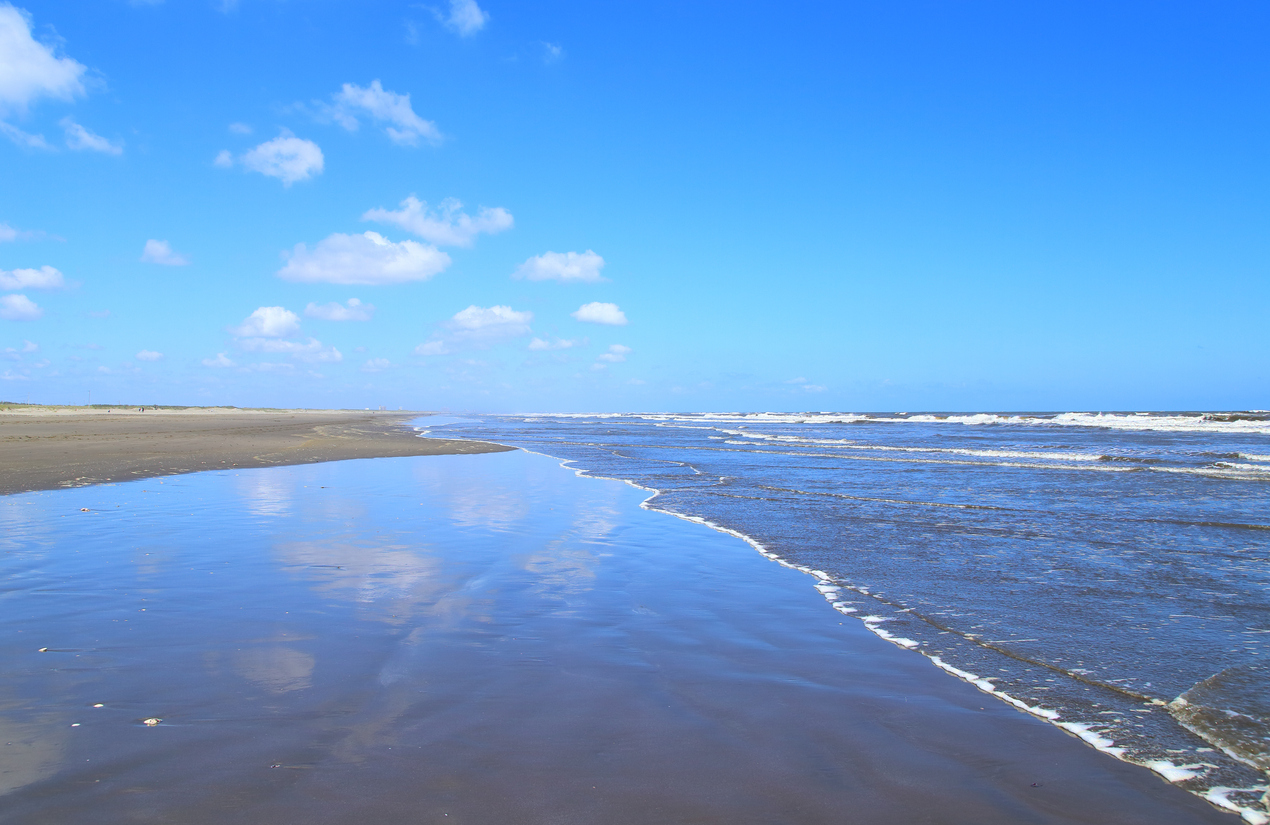
On July 20, Marine Day, television news programs, citing the Leisure White Paper published by the Japan Productivity Center, reported that Japan's beaches have lost much of the lively atmosphere they once had. According to the report, the number of people going to the beach in 2024 had fallen by 90% from its peak in 1985. Explanations include extreme summer heat, labor shortages, health concerns related to ultraviolet (UV) exposure, and the diversification of leisure activities. However, there is a more fundamental issue: the sandy beaches suitable for swimming are themselves shrinking across the country.
Dam construction, large-scale extraction of river sand, and port development have reduced the natural supply of sand to Japan's coastlines. Rising sea levels caused by global warming are further accelerating beach erosion. Kujukuri Beach in Chiba Prefecture, one of Japan's longest and best-known shallow beaches, is no exception. By the end of this century, it is estimated that 40% to 90% of its sandy shoreline could disappear compared with the end of the 20th century. In response, the prefectural government has constructed artificial headlands to reduce sand loss. Yet these structures have also created new challenges, including impacts on the coastal landscape and marine ecosystems due to the fragmentation of the shoreline. They underscore how difficult it is to restore nature once it has been lost.
On July 14-15, the Global Nature Positive Summit 2026 was held in Kumamoto City. "Nature Positive" refers to the international goal of halting biodiversity loss by 2030 and putting nature on a path to recovery by 2050, as set out in the Kunming-Montreal Global Biodiversity Framework adopted in December 2022. According to the organizers, government officials, businesses, research institutions, and environmental organizations from 27 countries and regions participated in the summit. Over the two-day event, 2,725 people attended, with approximately two-thirds of registered participants coming from the business and financial sectors.
Against the backdrop of policy setbacks in some countries, including the United States, speakers emphasized the urgency of taking action. A key message throughout the summit was that the transition to a nature-positive economy represents a long-term opportunity for innovation and should be regarded not as a cost, but as an investment.
In March 2023, the Kishida Cabinet adopted the National Biodiversity Strategy and Action Plan (NBSAP) of Japan 2023-2030. Building on this foundation, the Ishiba Cabinet incorporated measures into the 2025 Basic Policy on Economic and Fiscal Management and Reform ("Basic Policy") and the Basic Concept for Regional Revitalization 2.0, including promoting local initiatives to achieve Nature Positive outcomes, enhancing corporate value through investment in natural capital, and expanding nature finance. Although Nature Positive is not included among the current administration's “17 strategic fields”, there is no reason for this issue to become politically divisive. Efforts should therefore be accelerated as a national policy, with support that transcends administrations and party lines.
Takashi Mizukoshi, the President
This Week’s Focus, July 19 – July 23, 2026